Budget Bump Tests USG’s Outreach Strategy to Student Orgs
USG passed its Spring 2026 budget with a $5,000 bump to student org funding. The question is now: will it make a difference?
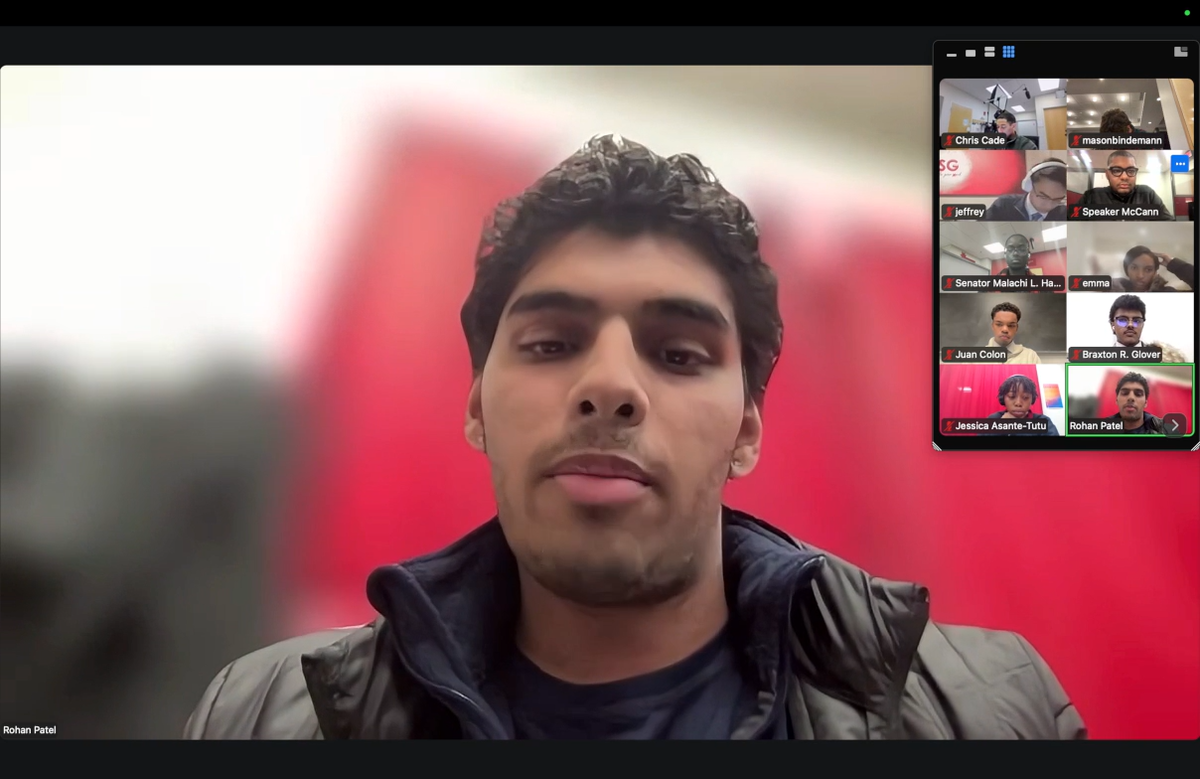
The Undergraduate Student Government’s General Assembly passed its Spring 2026 budget on December 3, allocating a total of $239,295. The budget, largely mirroring last spring's in overall size, reflects a modest increase from Spring 2025's $234,731 request.
Only one amendment was introduced during the meeting: Allocations Committee Chair Christopher Cade proposed a $5,000 increase to Student Organization Allocations, raising the line from $40,000 to $45,000. The amendment was adopted without opposition, boosting the share of the budget going to student orgs from 17.04% to 18.81%.
In a written statement, Chief Financial Officer Rohan Patel described the increase as a “beneficial motion in the larger framework of the budget” that would expand access to funding. “We hope to see even more engagement because of this and we will have an increased ability to serve more students,” Patel said.
The amendment arrives alongside a broader push by the Asante-Tutu/Noma administration to strengthen outreach to student organizations. Senior Counselor of Outreach Delara Cama has led the creation of a GroupMe chat with over 30 student org leaders, designed to centralize communication and surface concerns.
“The Student Org Leadership GroupMe is a platform we are rolling out and plan on using frequently in the upcoming semester as a more informal space to share ideas and events,” Cama said. “Our goal is for this to be a place that sparks collaboration between organizations, and not just a channel for USG announcements.”
The budget itself now becomes a test case for whether that feedback loop is translating into visible changes. For some org leaders, the increase is already making a difference.
“I really appreciate that USG is recognizing how much harder it’s been for orgs to get funding this year,” said Ethan Segrue, president of Sigma Gamma Tau. “It’s good to see them acknowledge that some groups are struggling to find resources.”
Segrue had earlier raised concerns in the GroupMe about the loss of traditional fundraising channels, such as volunteering through the Engineering Council. “E-Council’s funding got cut, which was a huge blow to how we’ve historically brought in money. That’s really why I raised the issue in the group chat,” he explained.
While his org didn’t receive USG funding in the fall, Segrue said they were able to fund a spring event through Student Life’s SAF programming process. The experience, he said, helped him learn more about the different funding options available, and he plans to apply for USG funding in the future.
“It’s a step in the right direction,” he said, adding that he’s documenting what he’s learned for future officers. “As a senior balancing classes, extracurriculars, and a student org, I can say, every little bit of support helps.”
Cade, who chairs the committee responsible for student org allocations and introduced the amendment, did not respond to a December 3 request for comment. Later that same evening, he viewed the author’s LinkedIn profile.