The Meeting The Lantern Missed
A public forum confrontation. Verified figures dismissed. Faculty stepped in. But Ohio State’s student newspaper, present for all of it, chose silence.
The last time The Lantern published an article on Undergraduate Student Government’s General Assembly was November 6. In the four weeks since, two more full meetings, November 12 and November 19, have taken place. A Lantern reporter was present at both.
No coverage followed.
This marked a break from an earlier pattern. The paper had reported on each of the first four meetings of the 58th General Assembly this semester, continuing the rhythm of past coverage. The sudden drop-off might not stand out if the missed sessions were routine.
But they weren’t.
What Happened November 12
The November 12 GA meeting featured a heated public forum exchange over concerns raised about comments made by a senior USG staffer during the July budget session, a session where the body deliberated nearly $200,000 in spending.
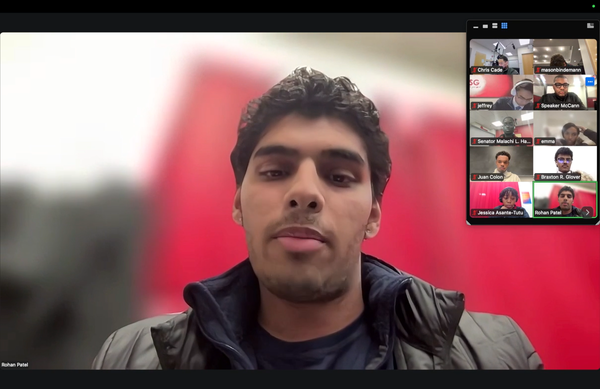
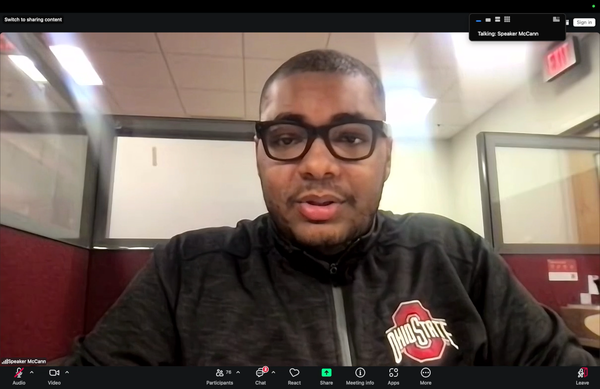
During public forum, I cited figures from Student Life's budget documentation to raise questions about accountability in that process. What followed was a confrontation: Speaker Terrell McCann interrupted repeatedly, questioned my understanding of the budget figures despite direct citations, and used the Speaker's platform to challenge the concern rather than address it.
The exchange was significant enough to prompt private intervention. Anna Sullivan Kvam, USG's faculty advisor, and Dr. Matt Couch, Associate Dean of Students, responded afterward. In a December 2 email, Sullivan Kvam confirmed that "appropriate steps" had been taken to discuss concerns with USG leadership and expressed hope for improved dialogue moving forward.
Torrance Lang, the Lantern's USG beat reporter, was in the room. The story never made it to print.
The Context They Had
This wasn’t a one-off. On November 6, I offered the paper first publication rights to a piece examining USG's budget process and patterns of oversight avoidance. The piece would eventually be published independently as How Ohio State's Student Government Learned to Stop Deliberating and Love the Budget.
The Lantern expressed interest but requested editorial conditions around neutrality and conflict-of-interest disclosure that I was uncomfortable accepting. I chose to publish independently and offered full sourcing once the article went live.
They never took me up on that offer.
Not after the November 12 meeting raised the article's core concerns in a public, on-the-record setting. Not after leadership dismissed verified budget figures in front of their own reporter.
I sent the full published article to Lang after the meeting, when she expressed confusion about what had occurred as we left the chamber. She acknowledged receipt. Nothing followed.
The Silence After
On November 16, four days after the November 12 meeting, I emailed Lang directly to ask if there was a reason for the coverage gap. On November 30, I contacted Lily Pace, the Lantern’s Managing Editor, asking whether General Assembly coverage remained an editorial priority or if the paper’s approach had shifted.
Neither responded.
It’s one thing to make an editorial call. It’s another to be unwilling to explain it, especially when questions are asked directly and sourcing is proactively offered.
What Student Journalism Is For
Student newsrooms face real constraints. Staffing is limited. Reporters juggle classes, other beats, and the pressures of learning journalism while practicing it. Editorial judgment means choosing what matters most.
But patterns tell a different story than individual decisions.
Torrance Lang covered each of the first five GA meetings this semester without issue, including contentious moments like my October 29 remarks on the senate application process and my November 5 announcement of Generally Assembled.
Then came meeting six.
On November 12, I raised concerns about Hayden Price’s comments during the July budget session. The exchange prompted faculty advisor intervention and administrative response, yet no article followed.
What made meetings one through four newsworthy while meeting six wasn’t?
The variable wasn’t resources. It was subject matter. The earlier meetings covered process and personalities. November 12 raised questions of institutional accountability: verified budget figures were dismissed, a senior staffer’s inappropriate remarks resurfaced, and those concerns were aired publicly.
The facts were there. The context was there. If The Lantern wanted to follow it, they could have. This isn't about one missed article. It's about what happens when the paper meant to illuminate campus life chooses not to.
When The Lantern doesn’t turn on the light, it raises a fair question: is it still living up to its name?